
Table of Contents
- How proposals work
- What happens, step by step
- Why this matters when something goes wrong
- What you can change, and what you cannot
- What you control
- What is fixed
- Getting more out of it
- Frequently asked questions
- Do I need a lawyer for every proposal?
- What happens if the client refuses to sign?
- How long should a proposal be?
- Is it safe to send a proposal via email?
- Can I change the price after the client signs?
- Does it matter if I use a template?
- Final Thoughts
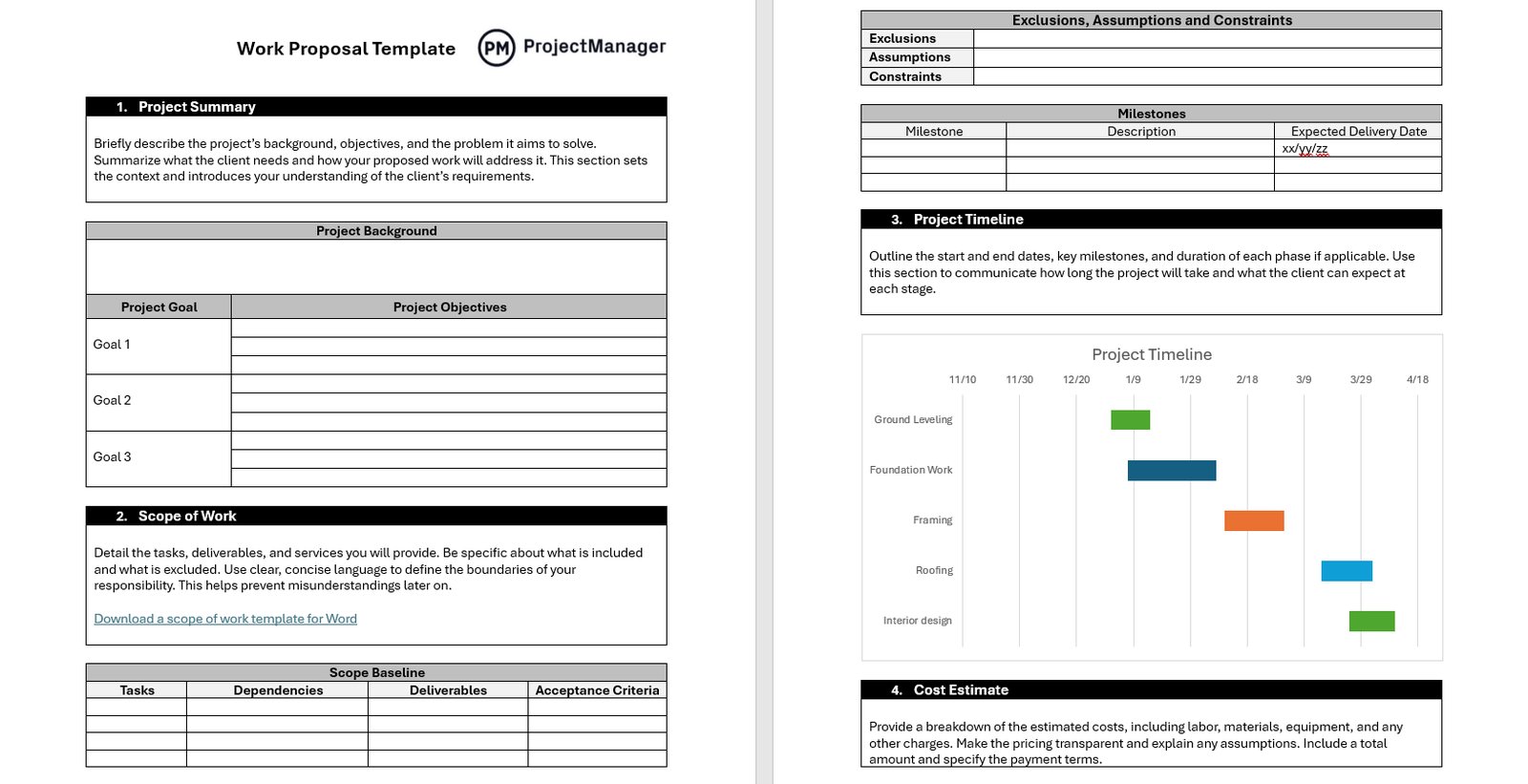
How proposals work is a process where a service provider offers a specific solution to a client’s stated problem for a set price. It functions like a formal map for a project, showing the client exactly what they will receive, how the work will happen, and what it costs. When both sides sign, it becomes a binding agreement that protects the provider from scope creep and the client from unexpected bills.
How proposals work
| Part or input | What it does | What you notice when it goes wrong |
|---|---|---|
| Scope of work | Defines project boundaries | You end up doing extra, unpaid tasks |
| Deliverables list | Names final items provided | Client expects things you didn’t promise |
| Project timeline | Sets dates for completion | Deadlines are missed or tasks lag |
| Fee structure | Outlines total costs | Payment is delayed or disputed later |
| Terms of service | States legal rules | You lose money on unpaid invoices |
What happens, step by step
- You review the client’s request to identify their main pain point. This takes 30 to 60 minutes depending on the complexity of the project requirements provided in their initial brief.
- You draft a summary of the problem to prove you understand their needs. This demonstrates you’re listening and helps align both parties before you suggest any specific technical solutions.
- You define the specific deliverables. List every item the client gets, such as a report, a design file, or a software module. Be precise to avoid arguments about what was included.
- You set a realistic timeline. Break the project into phases with clear dates for each milestone. This assumes a standard workload; for larger projects, allow 20% more time for unexpected delays.
- You calculate your fees based on your hourly rate or a fixed project price. This assumes a clear scope; if the client changes their mind, you must update the price.
- You send the document for review. Ask the client to sign it digitally to make it official. This creates a legal contract for services that confirms the deal.
- You start the work only after the signed copy returns. Starting before this step is a mistake that often leads to unpaid hours or confusion about the project goals.
Why this matters when something goes wrong

When a project goes sideways, the root cause is almost always a gap between what the client thought they bought and what you intended to deliver. This creates a conflict where the client feels shortchanged, and you feel overworked. The proposal acts as the single source of truth that resolves these disputes before they turn into lost revenue or broken relationships.
If the client asks for “just one more small change,” you look at your scope of work. If that task isn’t listed, you have a clear, professional reason to discuss an extra fee. If you don’t have a written proposal, you have no way to draw this line without sounding difficult or uncooperative.
A well-made document handles the trade-off between being thorough and being brief. If you make it too short, you leave gaps that cost you money later. If you make it too long, the client won’t read it, and you lose the benefit of their informed consent. Always focus on the deliverables and the deadlines, as these are the two areas that cause the most friction in any professional relationship. If the client disputes a charge, the proposal is the only evidence you have to show that the work performed matches the agreed-upon plan.
What you can change, and what you cannot
What you control
- The specific words used to define the project scope.
- Your pricing model, whether it’s fixed or hourly.
- The milestones you set for the project timeline.
- The terms you require for initial deposits.
What is fixed
- The client’s original budget limit, which usually has little room to move.
- Local labor laws that dictate how you must handle contracts.
- The reality that a signed contract is required for legal protection.
Getting more out of it
You should always include a “valid until” date on your offers. This creates urgency and protects you from rising costs if the client waits months to sign. If the project is large, break the payment into three parts: one-third upfront, one-third at the midway milestone, and one-third upon completion. This keeps your cash flow steady throughout the process.
Always ask the client to confirm they have read the terms of service before you begin. If they have questions, answer them immediately to build trust. If you notice the client is confused about a specific milestone, clarify it in writing before starting that phase. This simple habit prevents 90% of the common arguments that happen during the final delivery stage. Never assume the client knows your standard process; always write it down in plain language to ensure everyone is on the same page.
Frequently asked questions

Do I need a lawyer for every proposal?
No, you don’t need a lawyer for standard, low-risk projects. You only need legal help if the project involves large sums of money, complex intellectual property rights, or significant liability risks. For most small service agreements, using a clear, plain-English document that outlines the deliverables is enough to protect your interests.
What happens if the client refuses to sign?
If the client refuses to sign, you shouldn’t start the work. A signature is the only proof that the client agrees to your terms, your price, and your timeline. If they’re hesitant, ask them which part of the document is unclear and address their concerns before you proceed with the project.
How long should a proposal be?
A good proposal should be between two and five pages long. It needs to be short enough to read in five minutes but detailed enough to cover all deliverables, deadlines, and payment terms. If it’s longer than five pages, the client will likely skim it and miss important details about the project.
Is it safe to send a proposal via email?
Yes, it’s safe, but you should always use a secure document signing service. These platforms provide a digital audit trail that shows exactly when the document was opened and signed. Sending a plain attachment is less secure and makes it harder to prove that the client received and understood the terms.
Can I change the price after the client signs?
No, you can’t change the price after the client signs the document. Any changes to the scope or the price after the start date require a written amendment that both parties must sign. Changing the price without a new agreement is a breach of contract and will damage your professional reputation.
Does it matter if I use a template?
Yes, templates are useful for structure, but you must customize them for every client. A generic document that doesn’t address the client’s specific problem will look unprofessional and may fail to protect you from scope creep. Always tailor the scope of work and the deliverables section to match the specific project needs.
Final Thoughts
Once you’ve sent your document, don’t just wait for a reply. Follow up with a friendly email after a few days to see if the client has any questions. It’s a great way to show you’re proactive and eager to get started on the work you’ve carefully planned together.


Well done, this was a pleasure reading.