Table of Contents
- Building your first writing portfolio
- What you need
- Before you start
- Step by step
- How to know it worked
- If something goes wrong
- How often to do this
- Frequently asked questions
- Can I include school papers in my portfolio?
- How long should each portfolio piece be?
- Is it safe to publish my work publicly?
- What happens if I change my niche later?
- Does it matter which platform I use?
- How do I prove I wrote the work?
- Final Thoughts
You create a professional writing sample by publishing five high-quality articles on a personal blog or a platform like Medium, as this is how to build a content writing portfolio with no clients. You don’t need a paid job to prove your ability to research, structure, and write for a specific audience. If you have no experience, start by writing about topics you already understand well. If you have a specific niche in mind, focus your initial pieces there to show depth. This work varies by experience, existing clients, and current market demand.
Building your first writing portfolio

You should plan for 15 to 20 hours of focused writing time to produce your first five strong samples. Costs are minimal if you use free platforms like WordPress or Medium, though a personal domain costs a small annual fee. The difficulty is medium because it requires self-discipline without a manager’s deadline. Before starting, you must have a clear idea of your target industry. If you’re unsure, check the U.S. Bureau of Labor Statistics for current industry outlooks to see which sectors need writers.
What you need
| Item | How much | Why it’s needed | A substitute |
|---|---|---|---|
| Writing samples | 5 pieces | Shows your range | none — don’t swap this |
| Writing platform | 1 account | Hosting your work | Personal website |
| Style guide | 1 document | Keeps tone consistent | AP Stylebook |
| Research time | 3 hours/article | Ensures factual accuracy | none — don’t swap this |
| Portfolio site | 1 page | Centralizes your links | LinkedIn profile |
Before you start
- Choose one specific niche, such as tech, health, or finance, to show your expertise.
- Check your chosen platform’s terms of service regarding content ownership and privacy settings.
- Create a simple outline for each article before writing to ensure a logical flow.
- Set a strict word count for each draft, aiming for 800 to 1,000 words per piece.
- Avoid using AI to generate your drafts, as it often produces generic content that fails to show your unique voice and critical thinking skills.
Step by step
- Select five distinct topics within your chosen niche that solve a specific reader problem.
- Research each topic using three credible sources to ensure you have enough facts for 800 words.
- Write your first draft using a clear, conversational tone that avoids complex jargon or filler words.
- Edit your work for clarity by removing every sentence that doesn’t directly support your main point.
- Format your articles with headings, bullet points, and short paragraphs to make them easy to read.
- Proofread your text twice to catch errors in spelling, grammar, or inconsistent tone before you publish.
- Publish your articles on your chosen platform, ensuring the links are public and easy to access.
- Organize your links into a clean, simple landing page that acts as your professional portfolio hub.
How to know it worked
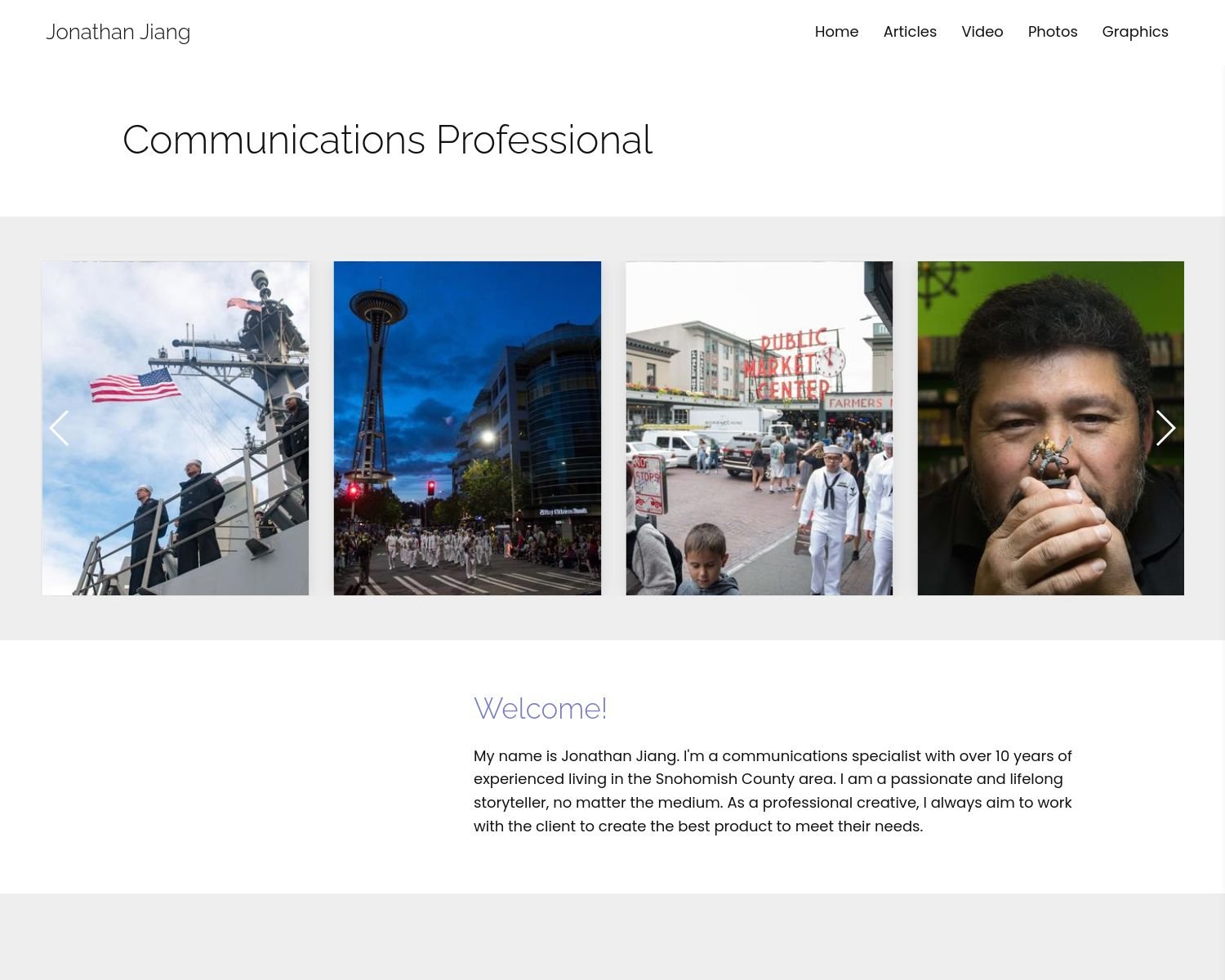
You have a successful portfolio when your pieces demonstrate a clear ability to explain complex ideas simply. A strong sample shows you can write a compelling introduction, maintain a consistent tone, and provide actionable advice. If you notice your sentences are too long or your points feel repetitive, you need a second round of editing. Focus on cutting your paragraph length to under 120 words. This ensures your writing remains readable on mobile devices. If your portfolio doesn’t generate interest, adjust your topics based on current market trends or the specific needs of potential clients.
If something goes wrong
| What happened | Why | What to do |
|---|---|---|
| No views | Poor SEO | Use descriptive keywords |
| Boring tone | Over-formal writing | Use more contractions |
| Long paragraphs | Hard to read | Break into bullets |
| Fact errors | Poor research | Verify with sources |
| Off-topic | No focus | Choose one niche |
If your analytics show zero views after 48 hours, your SEO is likely the culprit. Check your primary keyword density; it should appear naturally in the first 100 words. If the density is below 1%, search engines can’t categorize your content effectively.
When readers drop off mid-page, you’re likely writing for an academic audience rather than a digital one. A common mistake is using passive voice, which costs you 30% of your average session duration. If your Flesch-Kincaid score exceeds grade 10, simplify your sentence structure immediately.
Finally, distinguish between a “bad topic” and “bad execution.” If your engagement is low despite high-quality research, pivot your angle. If the topic itself is stale, abandon it entirely rather than attempting to salvage the draft.
How often to do this
You should aim to update your portfolio with one new, high-quality piece regularly. This frequency keeps your skills sharp and shows potential clients that you’re active. However, this varies by experience, existing clients, and current market demand. If you’re just starting, you may need to write more often to build your library quickly. If you’re already busy with professional work, updating as part of your usual clean is enough to keep your portfolio fresh. Always prioritize quality over quantity, as a single well-researched article is more valuable than three rushed, low-quality posts.
Frequently asked questions

Can I include school papers in my portfolio?
Yes, you can include them if you rewrite them to sound professional and remove academic jargon. School papers often focus on theory, while clients want practical, reader-focused content. Edit the structure to include clear headings and shorter, punchy sentences that appeal to a general audience.
How long should each portfolio piece be?
About 800 to 1,000 words is the standard length for most web articles. This length allows you to fully explain a topic without losing the reader’s interest. If your topic is very technical, you may need up to 1,200 words to cover the necessary details safely.
Is it safe to publish my work publicly?
Yes, it’s safe as long as you don’t share private information or proprietary data. Ensure your articles are original and don’t violate any copyright laws. Always check your platform’s privacy settings to confirm that your work is visible to the public, not just to your friends.
What happens if I change my niche later?
You can update your portfolio by adding new samples that reflect your new focus. You don’t need to delete your old work, but you should prioritize your most relevant pieces at the top of your page. Clients will appreciate seeing your ability to adapt to different topics.
Does it matter which platform I use?
No, the content quality matters more than the specific platform you choose to host your work. Whether you use Medium, WordPress, or a simple PDF portfolio, the goal is to provide a clean, professional link. Ensure the site loads quickly and displays well on mobile devices.
How do I prove I wrote the work?
You prove your authorship by linking your portfolio articles to your professional social media profiles. When a client sees your name on the byline and your profile matches your contact information, they will trust the work is yours. Keep your contact details consistent across all platforms.
Final Thoughts
Once your samples are polished, don’t wait for the perfect moment to share them. Send your links to a few small businesses or bloggers you admire to see if they need help. You’ll find that showing initiative is often the missing piece that turns your hard work into a real career.
Related guides